Where Hardy Meets Unexpected: Gardens of the Scottish Highlands
Gardening in the Scottish Highlands: There Are Far More Possibilities Than You Think
One of the biggest misconceptions about gardening in the Scottish Highlands is that we are limited in what we can grow.
Time and again, people say, “That won’t grow here,” or “It’s too cold for that.” While the climate certainly presents challenges, it also creates opportunities that many gardeners overlook—whether you’re on the coast near Nairn or Dornoch, in the inland landscapes around Dingwall and Tain, or gardening within Inverness itself.
Traditional Highland gardens often rely on familiar favourites such as lupins, astrantias and heathers. These are excellent plants, but they represent only a small fraction of what is possible.
Whether you have a town garden in Inverness, a windswept coastal plot near Dornoch, or a fertile patch of ground around Dingwall or Tain, you can create something far more diverse and rewarding than most people expect.
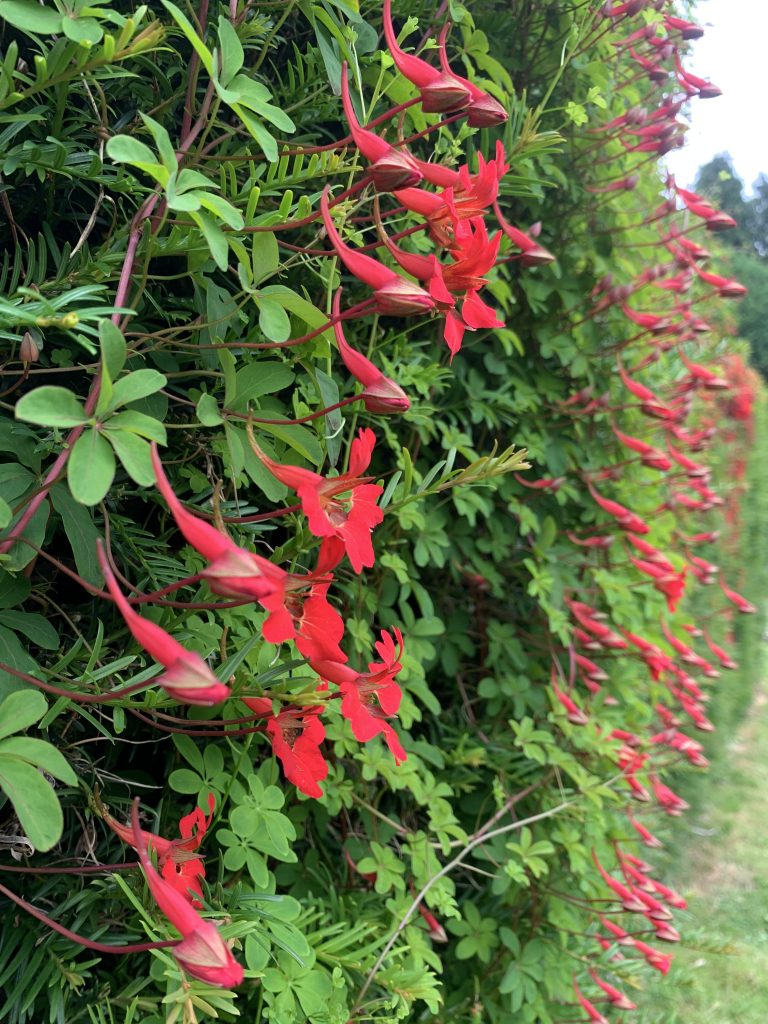
Every Garden Is Different
One of the most fascinating things about gardening is that no two gardens are ever the same.
A sheltered Inverness garden surrounded by walls and buildings can be significantly warmer than an exposed site further out into the Black Isle or inland Ross-shire. Those small differences often decide whether a plant merely survives or truly thrives.
Along the coast—places like Nairn or Dornoch—winter temperatures tend to be milder, but wind and salt exposure become the dominant challenge. Inland, around Tain or Dingwall, shelter increases but frost pockets can be more pronounced, especially in low-lying ground where cold air settles.
Even within a single garden, conditions vary dramatically. South-facing borders may feel almost Mediterranean on a good day, while a north-facing corner remains cool and shaded all year round. Drainage, soil type and wind exposure all shift from one area to the next.
This is why one principle matters more than anything else:
The right plant in the right place.
Once you start reading your own garden properly, far more becomes possible than most people ever realise.
Highland Conditions Are More Varied Than People Think
It is easy to talk about “the Highland climate” as though it is one thing, but the reality is much more complex.
Inverness often benefits from a relatively sheltered position and a longer growing season than many expect. Move towards Nairn or Dornoch and you gain coastal moderation—milder winters, but more exposure. Travel inland towards Dingwall or Tain and soils tend to become heavier and more fertile, with a greater risk of frost settling in valleys and hollows.
These differences matter more than general latitude or temperature charts. A garden just a few miles away can behave completely differently.
Soil adds another layer. Some coastal gardens are naturally sandy and free-draining, while inland areas often sit on richer loams or glacial deposits. Neither is better—they simply require different planting strategies.
New-build gardens across the Highlands tend to share similar issues regardless of location: compacted soil, poor structure and low organic matter. Older gardens usually have the advantage of time—better drainage, deeper fertility and established microbial life.
Understanding your own ground is far more valuable than following any generic “Highland planting list.”
Plants for Different Garden Conditions
Woodland Gardens
Shaded, sheltered gardens—common in older Inverness plots or parts of Dingwall and Tain—suit a rich woodland palette.
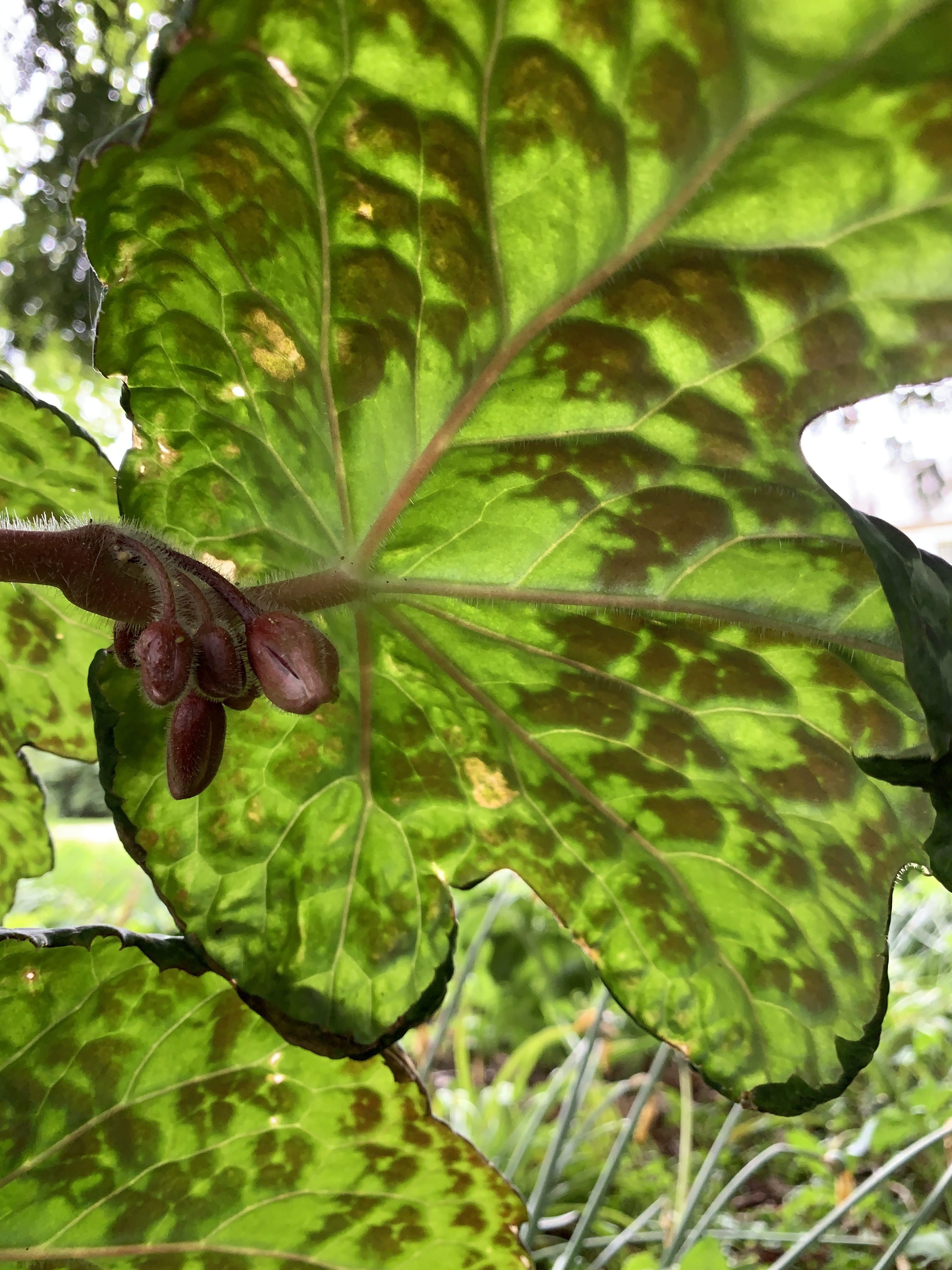
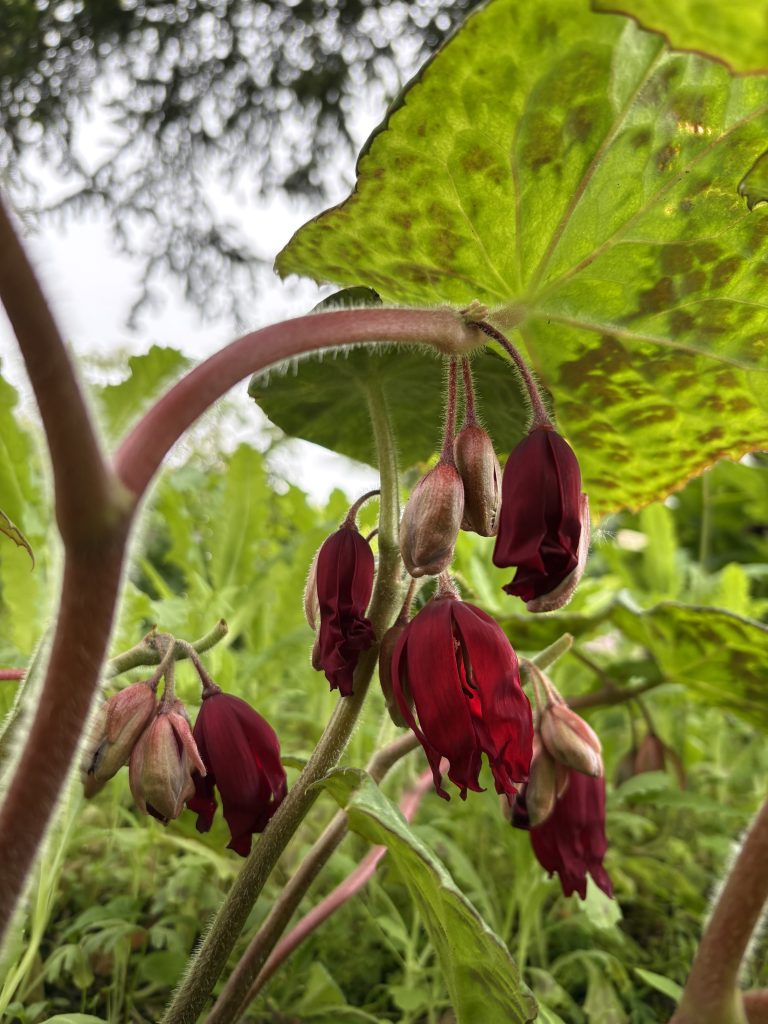
Hepatica, Meconopsis, Podophyllum, Erythronium ‘Pagoda’, Trillium cuneatum and Aruncus dioicus ‘Kneiffii’ all perform well in these conditions.
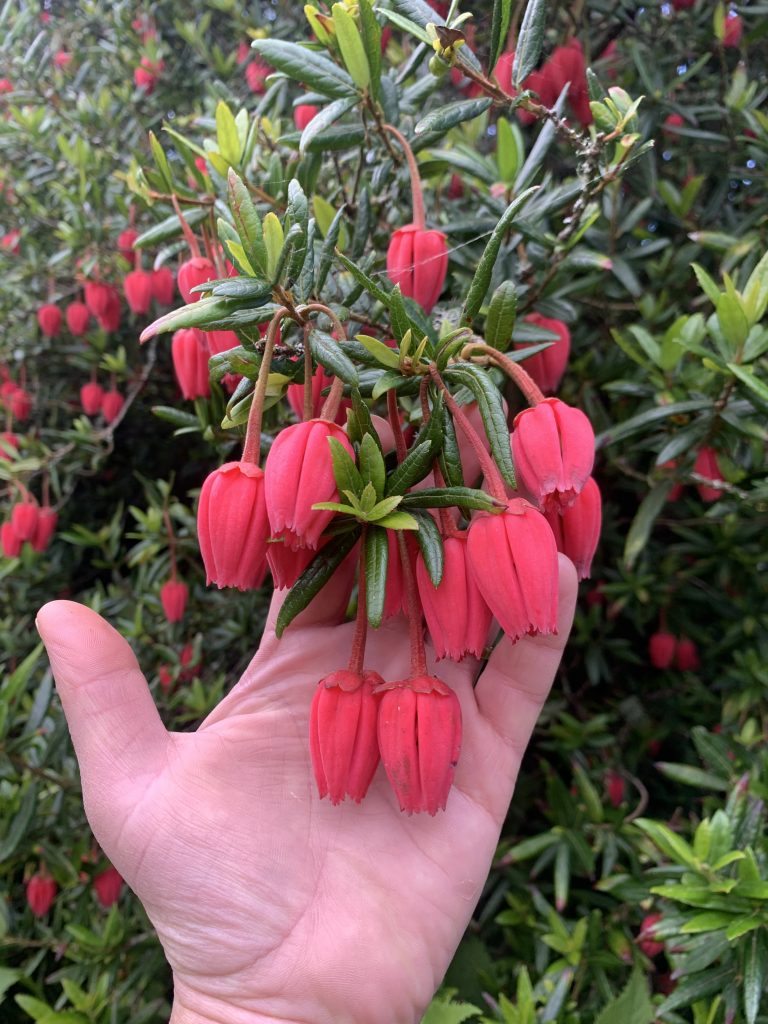
Shrubs such as Hydrangea quercifolia, Osmanthus heterophyllus and Crinodendron hookerianum add structure and long-term interest.
Sunny Borders
Warmer, well-drained areas—often found in sheltered coastal gardens around Nairn or Dornoch—open up a different palette entirely.
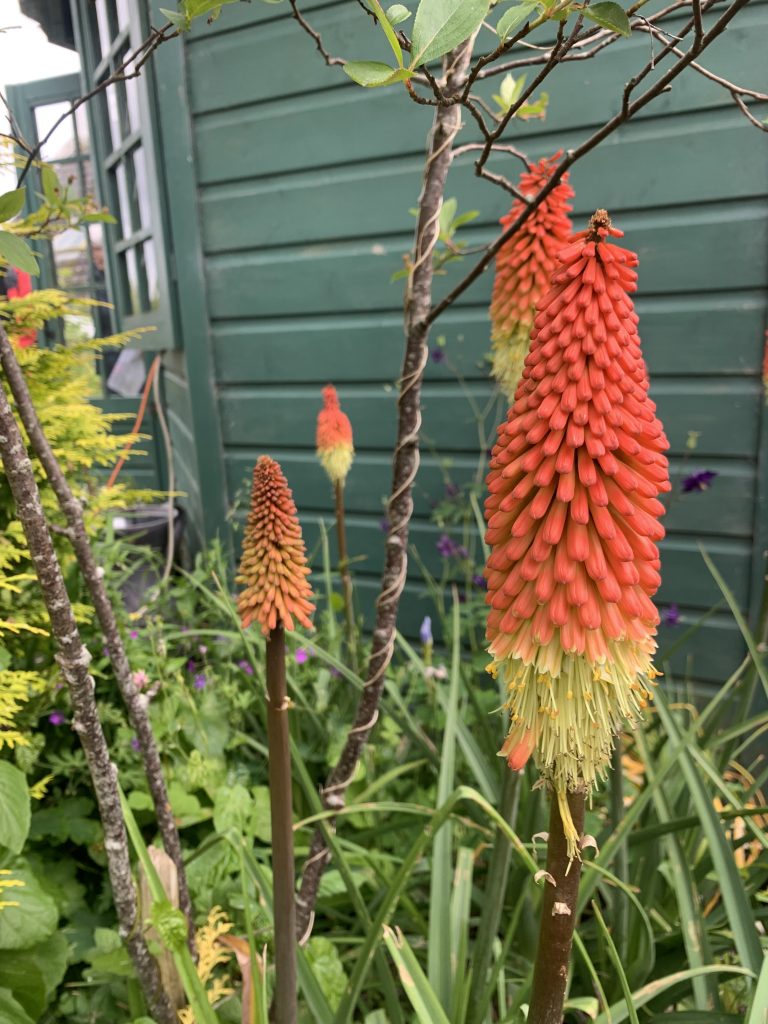
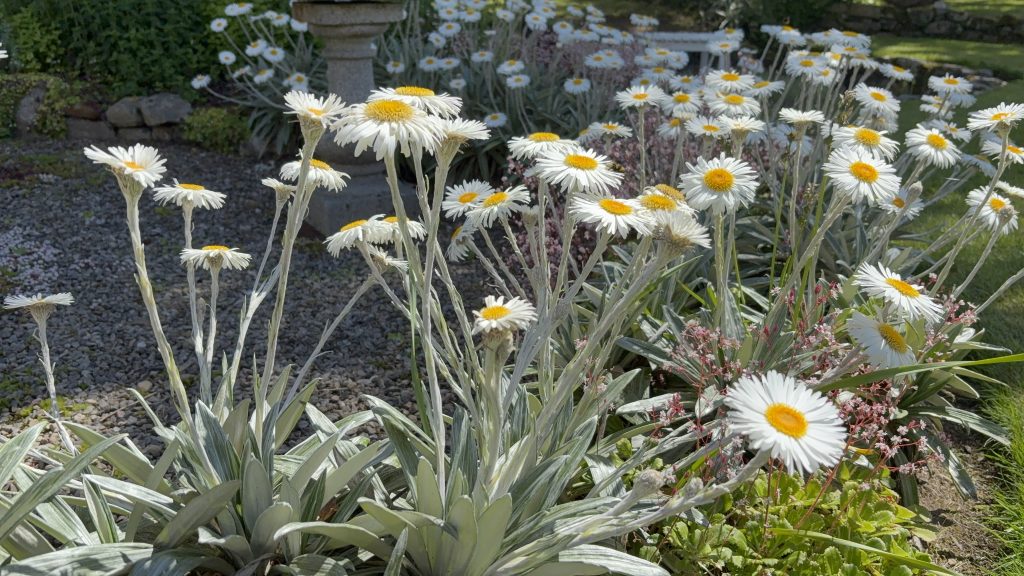
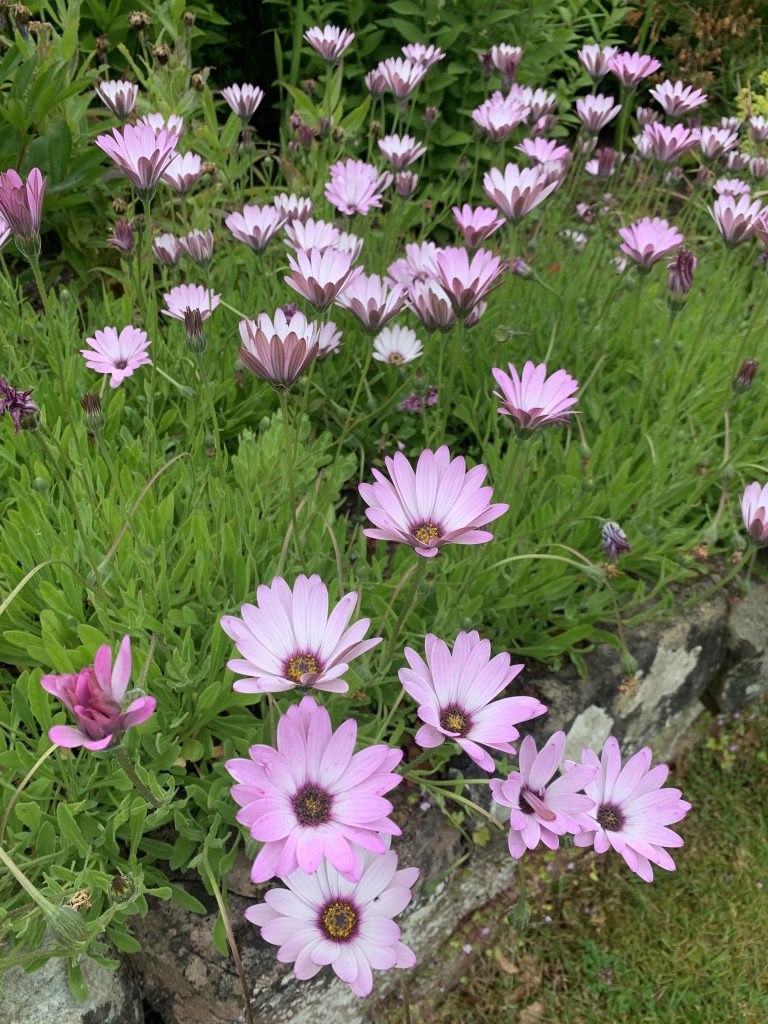
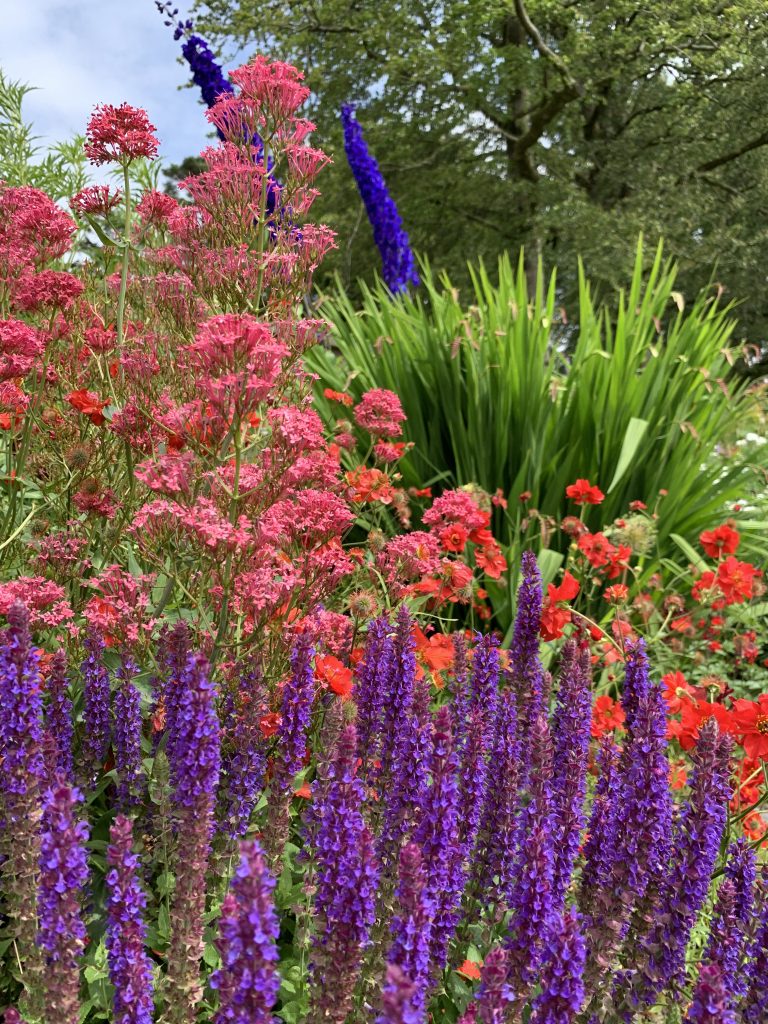
Lavandula angustifolia, Salvia nemorosa, Osteospermum, Kniphofia and Centranthus, Celmisia all thrive in these conditions, especially when soil is improved and drainage is good.
Salvia yangii (formerly Perovskia) is particularly useful in exposed sunny positions.
Gravel and Alpine Planting
Free-draining soils, whether naturally sandy near the coast or improved in raised beds, are ideal for drought-tolerant planting.
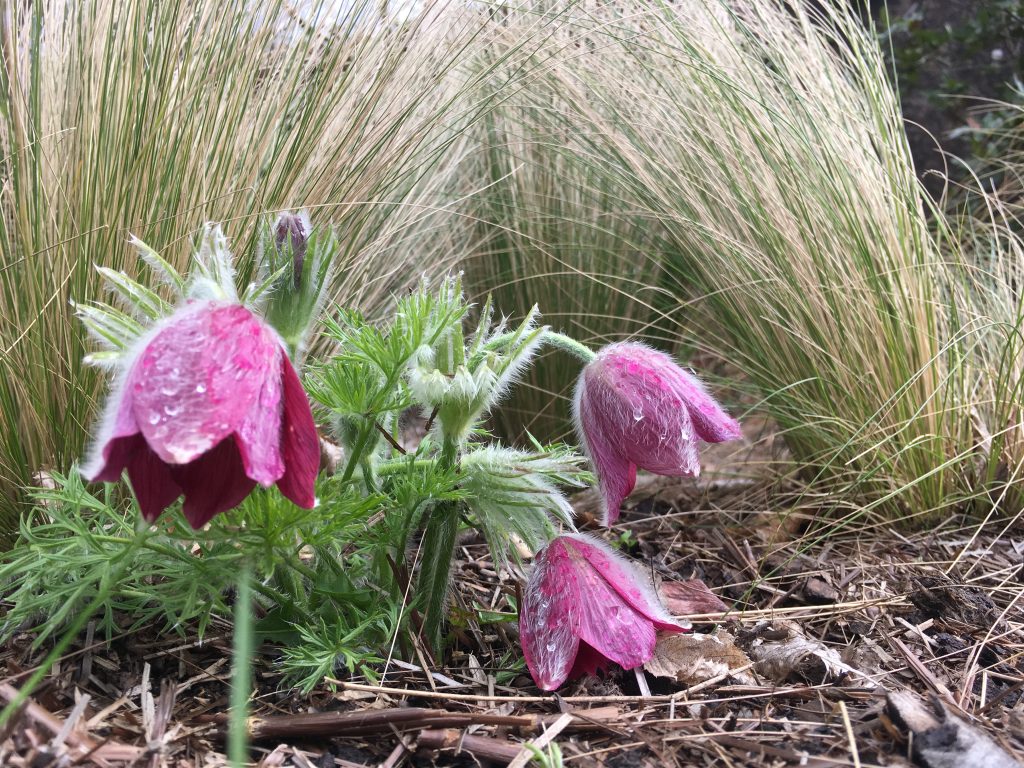
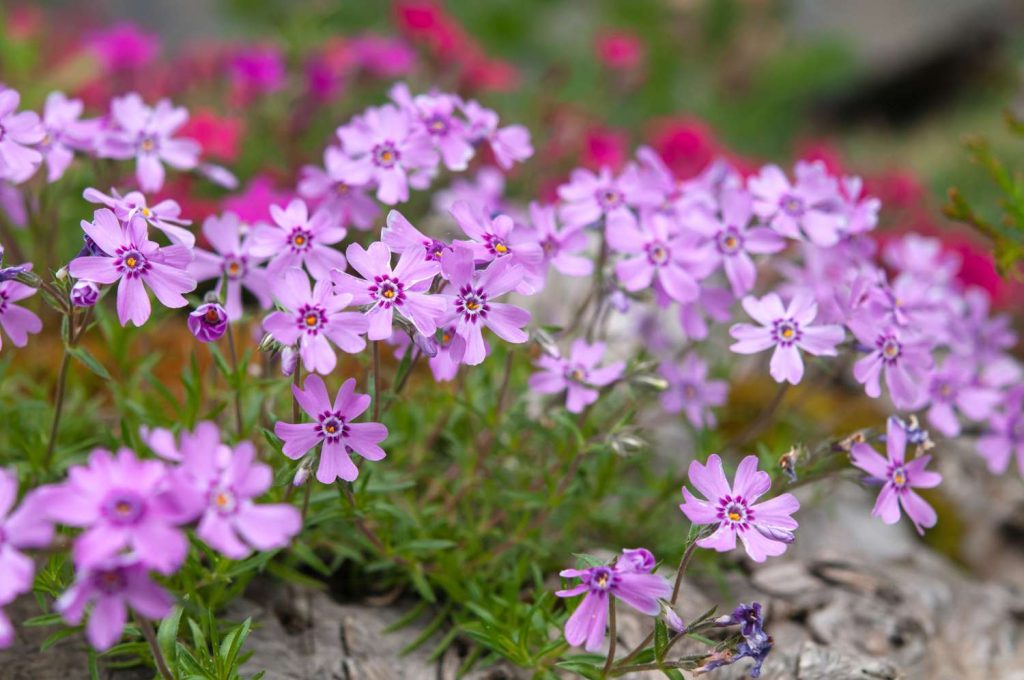
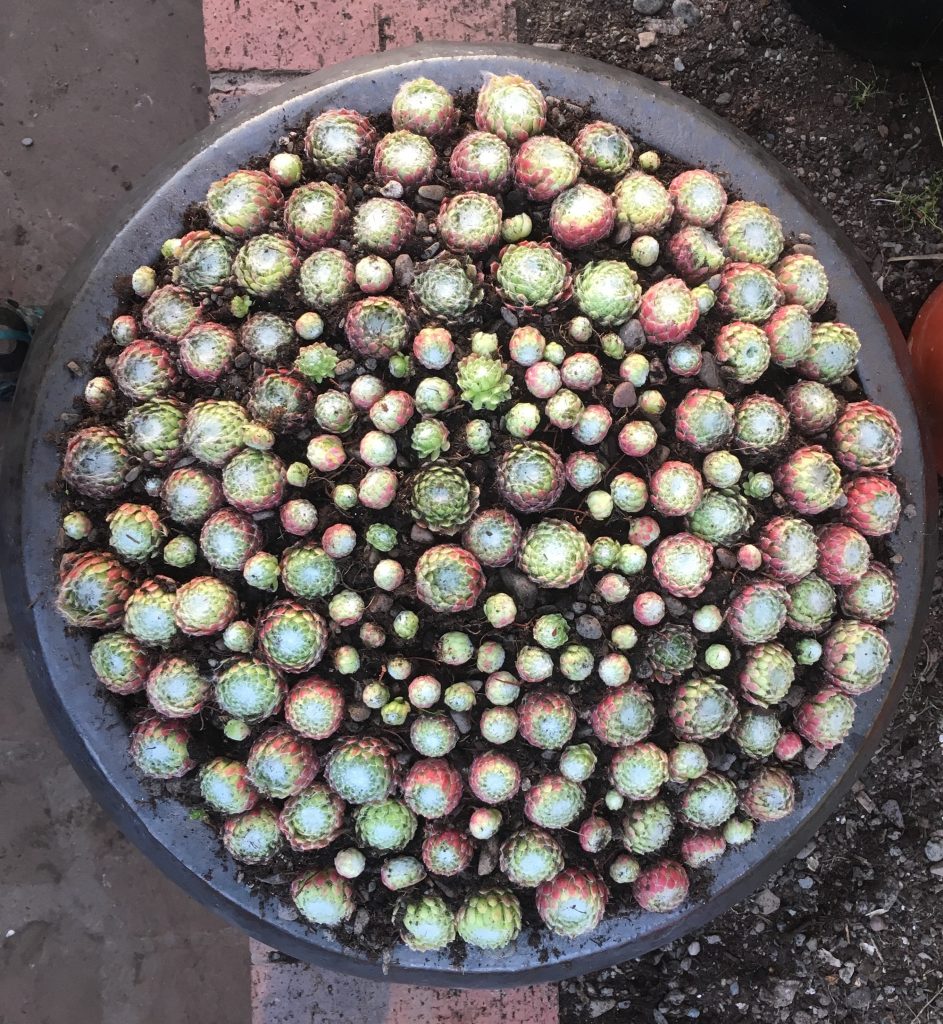
Pulsatilla, Armeria, Ceratostigma, Phlox and Sempervivum all perform well, even in exposed Highland conditions once established.
Annuals for Seasonal Colour
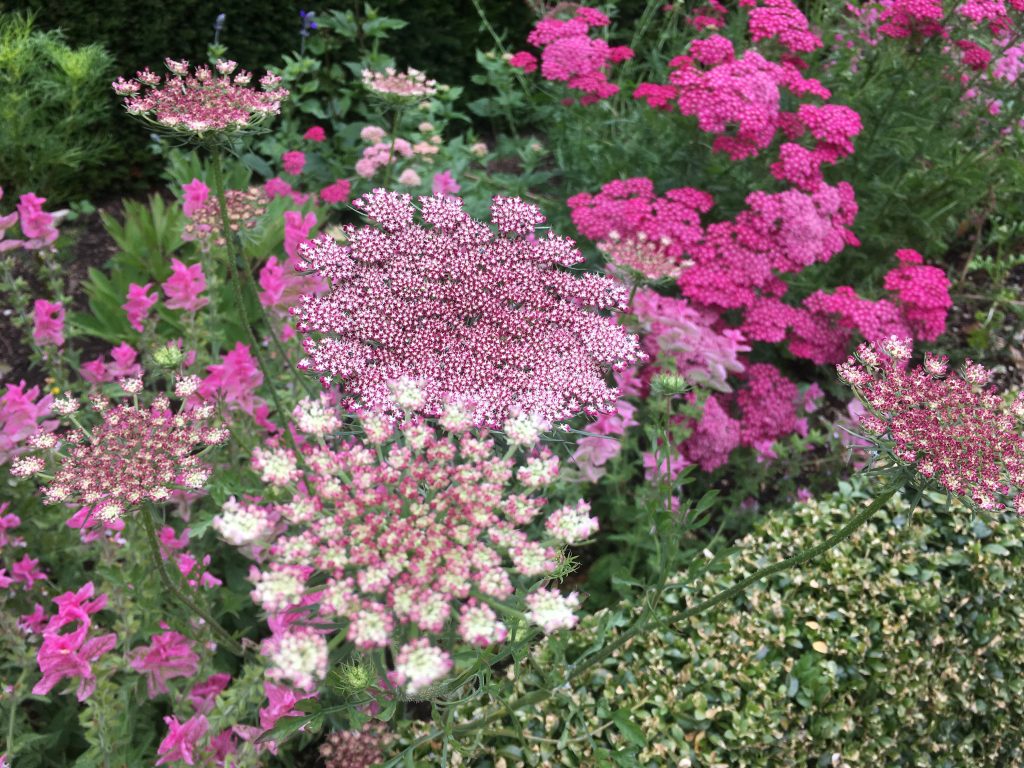
Cerinthe major, Phlox drummondii, Nicotiana, Daucus carota ‘Dara’ and Matthiola bicornis provide reliable seasonal impact across a wide range of Highland gardens.
Plants That Surprise People in the Highlands
One of the most enjoyable parts of gardening in places like Inverness, Nairn, Dornoch, Tain and Dingwall is discovering just how much more is possible than expected.
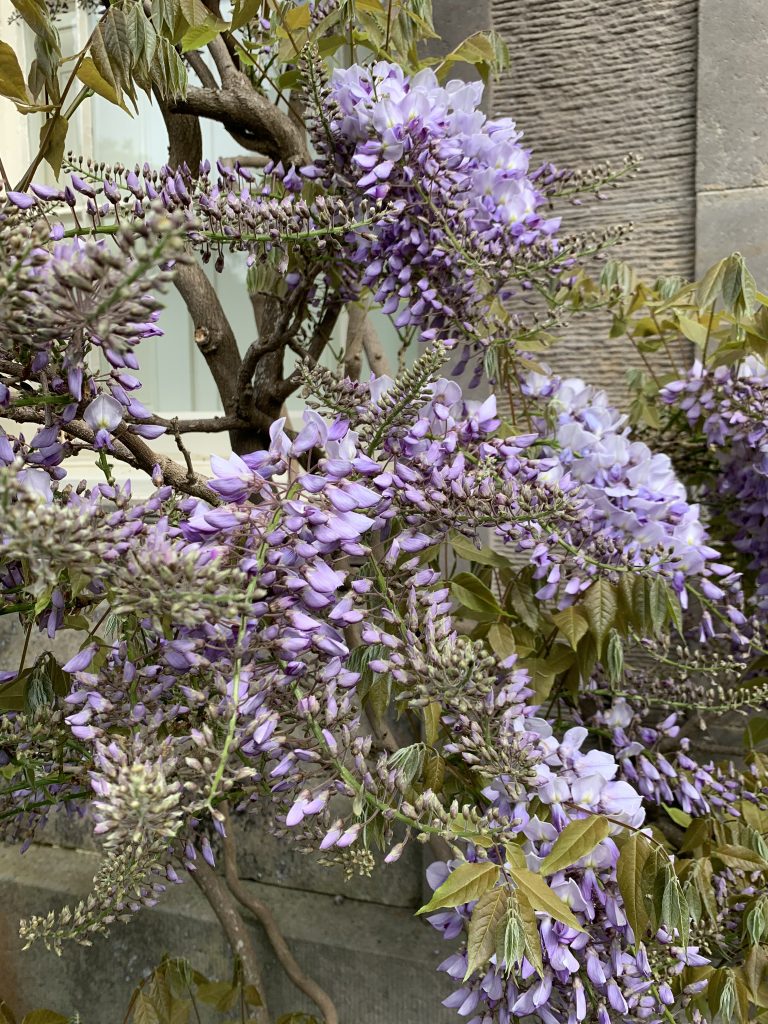
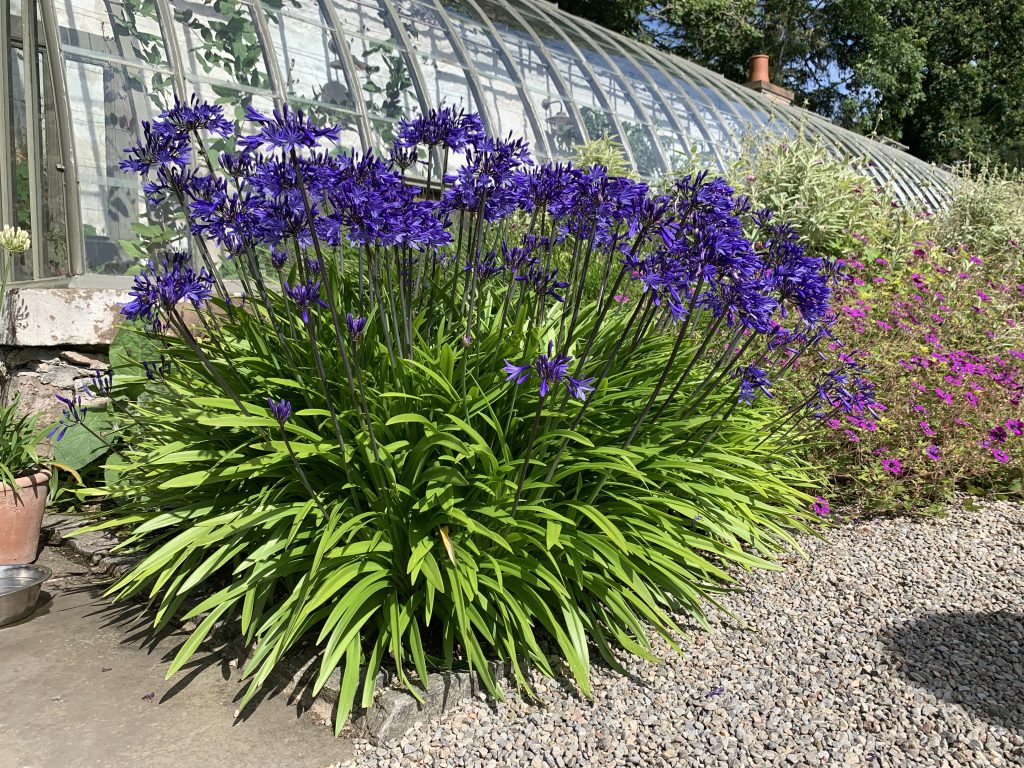
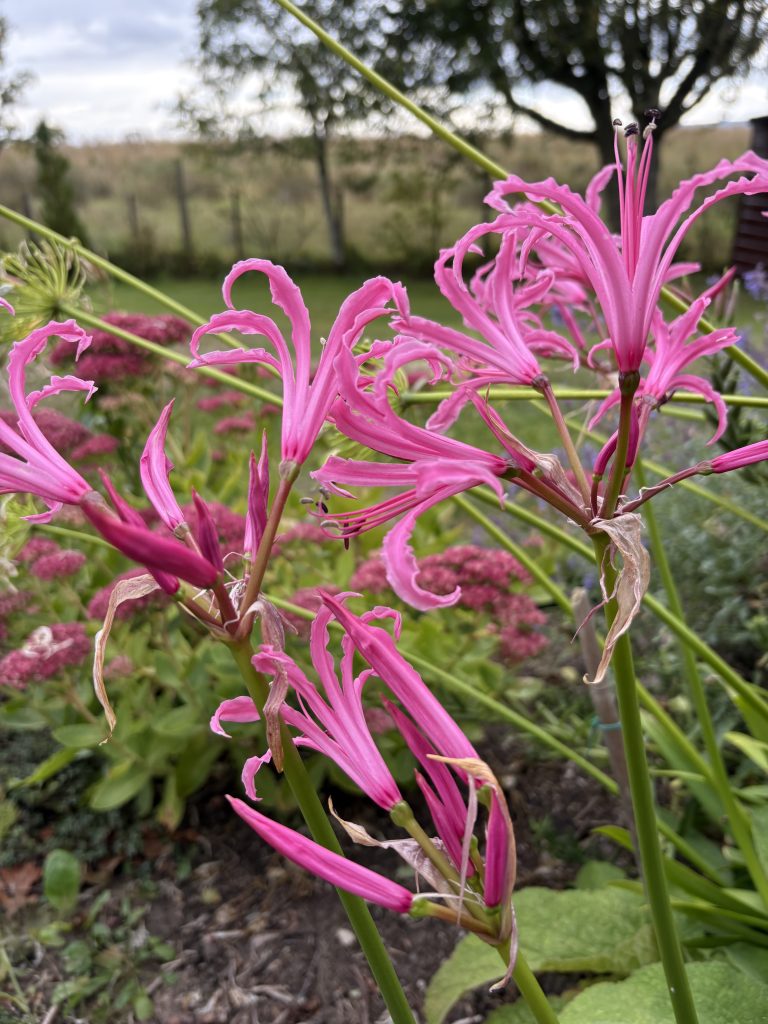
Agapanthus can flower reliably in warm, sheltered positions. Japanese tree peonies prove far hardier than many assume. Even plants such as Nerines can perform well in the right microclimate.
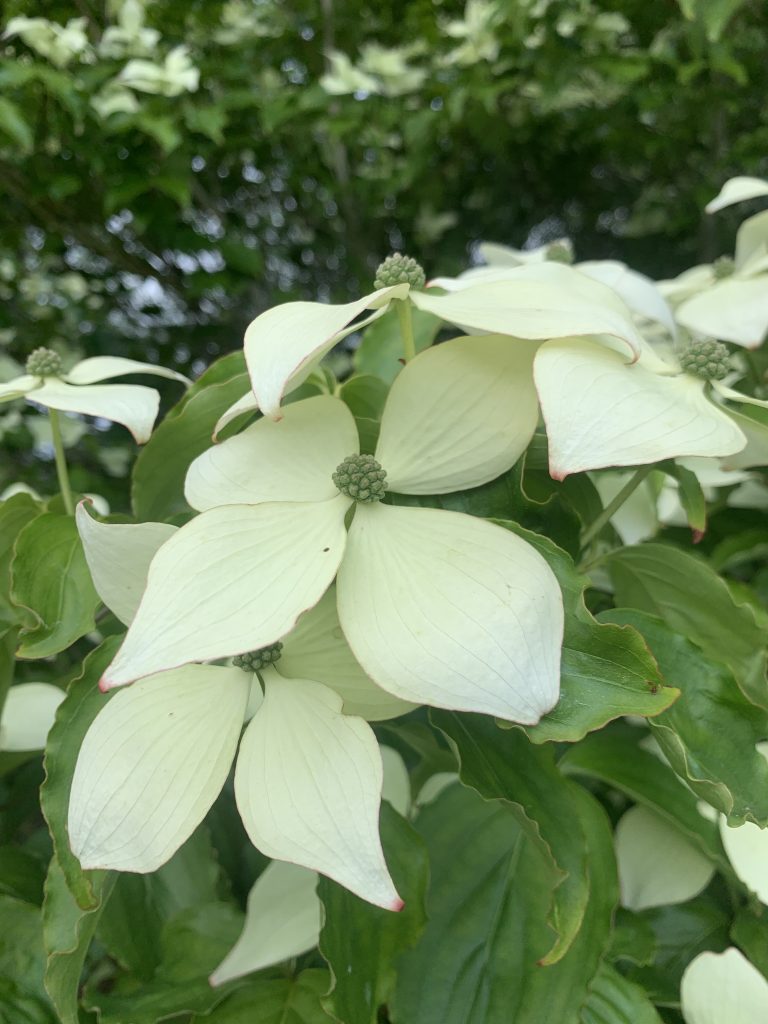
Other reliable but often underestimated plants include Astilbe, Filipendula, Hakonechloa, Tiarella, Tricyrtis, Magnolia, Cornus kousa, Daphne and even fig trees in sheltered gardens.
These successes all share the same explanation: microclimate matters more than map location.
Learning Your Own Garden
The most successful gardeners are not those with perfect conditions, but those who observe closely.
Where does frost linger in winter? Where does the soil stay damp? Which corners are sheltered from wind, and which are exposed? These details matter far more than whether your garden is in Inverness, Dingwall, Tain, Nairn or Dornoch.
Over time, you begin to see that your garden is not one uniform space, but a collection of small, distinct growing environments.
Once you understand that, the possibilities expand dramatically.
Final Thought
Gardening in the Scottish Highlands is not about limitation. It is about variation.
From coastal gardens near Nairn and Dornoch, to inland spaces around Dingwall and Tain, and sheltered town gardens in Inverness, the diversity is what makes gardening here so interesting.
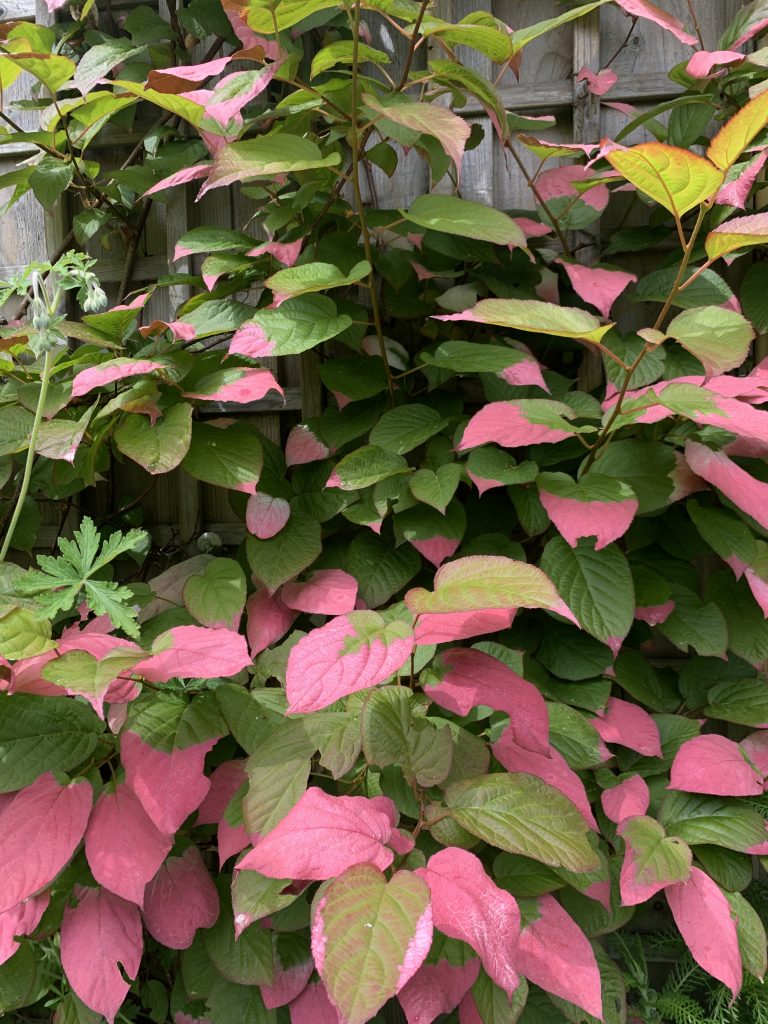
The Highlands are not a barrier to great gardening.
They are an invitation to garden differently.